

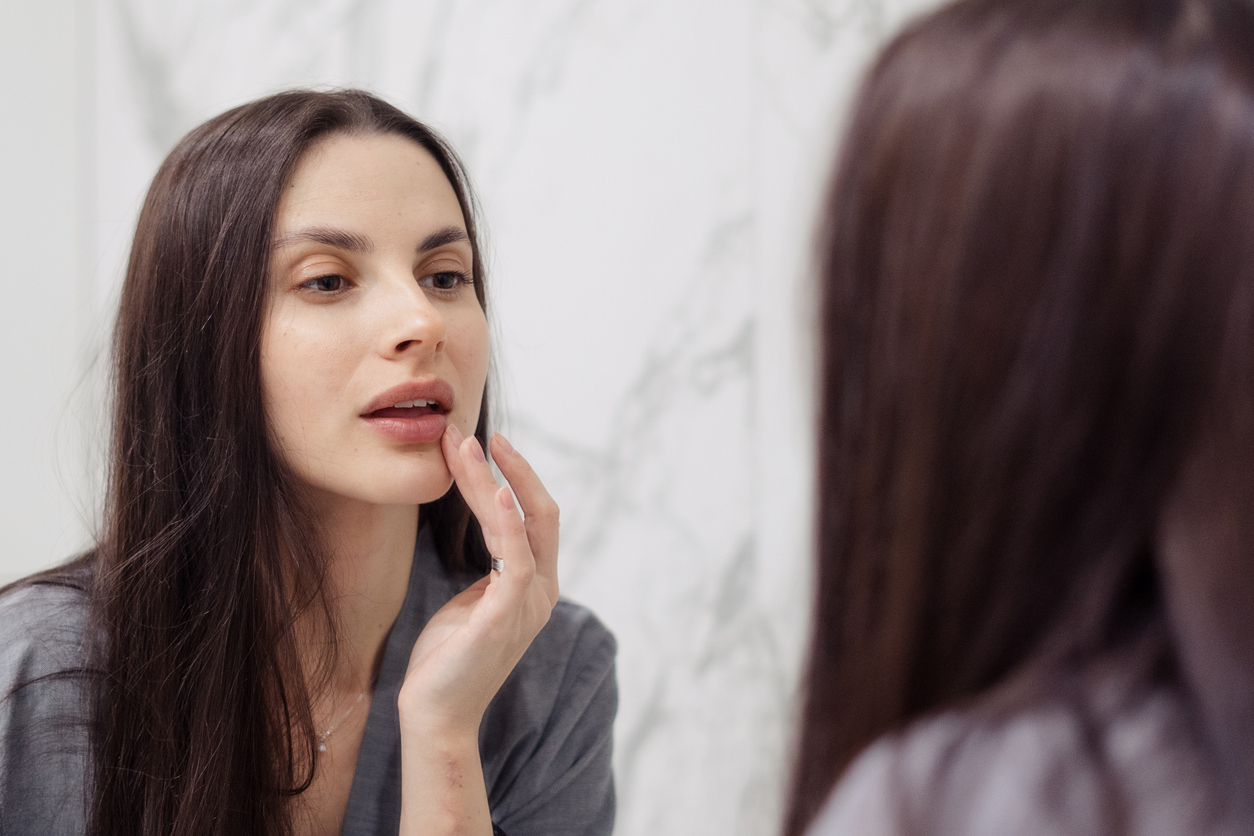
Dermal fillers have become one of the most popular aesthetic treatments in the country and for good reason. When placed correctly, they restore lost volume, smooth fine lines, and create naturally balanced, youthful-looking results with no surgery and minimal downtime.
But as fillers have grown in popularity, so has awareness of a complication that concerns many patients: filler migration. Whether you have noticed puffiness in an area you did not have treated, or you have simply heard the term and want to understand what it means before your next appointment, this guide covers everything you need to know.
What Is Filler Migration?
Filler migration occurs when dermal filler moves away from the site where it was originally injected and settles into an unintended area. The result is usually a visible distortion, puffiness, heaviness, or an unnatural contour in a place the filler was never meant to be.
Migration can happen gradually over time, making it difficult for patients to pinpoint exactly when or how it occurred. In other cases, it is detectable within days or weeks of treatment.
Where Does Filler Migration Most Commonly Occur?
Filler migration can happen in any treated area, but certain regions are more prone to it than others. The most frequently affected areas include:
- The lips: The most common site for migration. Filler can travel above the vermilion border, creating a blurred or "duck-like" appearance around the lip line.
- The tear troughs and undereyes: A technically demanding area in which filler placed too superficially or in too great a quantity can migrate and create a puffy, bluish discoloration known as the Tyndall effect.
- The nasolabial folds and cheeks: Repeated or excessive filler in these areas can accumulate over time, leading to an overfilled, unnatural contour.
- The forehead and temples: Less common but increasingly seen as these areas gain popularity as injection sites.
What Causes Filler Migration?
Filler migration is not random. In most cases, it results from one or more specific, preventable factors. Understanding these causes is key to avoiding the problem in the first place.
Overfilling
The single most common cause of filler migration is simply too much product being used, either in one session or cumulatively over multiple treatments. When a tissue plane becomes saturated with filler, the material has nowhere to go but outward into surrounding tissues. This is especially true in the lips, where less is consistently more.
The Wrong Product for the Area
Not all fillers are created equal. Different products have different consistencies, lifting capacities, and degrees of water absorption (hydrophilicity). A filler that is too soft or too hydrophilic for a given area may spread or swell beyond the intended zone. Selecting the right product for the right anatomical location requires genuine expertise.
Incorrect Injection Depth or Placement
Fillers must be placed at a specific depth within the skin or tissue to perform as intended. If a product is injected too superficially, it is more likely to migrate. If it is placed in the wrong tissue plane, muscle movement and facial dynamics can push it elsewhere over time.
Repeated Treatments Without Reassessment
Many patients receive filler appointments on a routine schedule without anyone evaluating how much product has accumulated from previous treatments. Hyaluronic acid fillers are partially but not always fully dissolved by the body. Layering new filler on top of existing, undissolved filler increases the total volume in an area and raises the risk of migration and distortion.
Post-Treatment Pressure or Manipulation
Pressing, rubbing, or massaging the treated area too soon after injections can physically displace filler before it has had a chance to fully integrate with the surrounding tissue.
What Does Filler Migration Look Like?
The appearance of filler migration varies depending on the area affected and how much filler has moved. Common signs include:
- Puffiness or swelling in an area that was not directly treated
- A blurred or indistinct border, particularly around the lips
- An unnatural heaviness or fullness, especially under the eyes
- A shelf-like or bumpy appearance along the cheek or nasolabial region
- Asymmetry that was not present before treatment
It is worth noting that not every asymmetry or unexpected fullness is the result of migration. Swelling after injections is normal, and some changes in contour are related to the filler integrating with the tissue. If you are concerned about the results of a recent treatment, a follow-up evaluation with an experienced injector is always the right first step.
Can Filler Migration Be Corrected?
Yes, in most cases. If the migrated filler is hyaluronic acid-based (which includes the majority of popular fillers, including the Restylane, Juvederm, and RHA collections), it can be dissolved using an enzyme called hyaluronidase. When precisely injected into the area of migration, hyaluronidase breaks down the filler quickly and effectively, often with visible improvement within a few days.
Non-hyaluronic acid fillers, such as Radiesse or Sculptra, cannot be dissolved with hyaluronidase. Migration involving these products is more difficult to address and may require additional strategies depending on the case.
At Mehta Plastic Surgery, both Dr. Umang Mehta and aesthetic nurse Shannon Dellinger, RN, BSN, are experienced in evaluating patients who have concerns about prior filler treatments, including those performed elsewhere. Restoring balance after migration is a process that requires both a careful eye and precise technique.
How Can Filler Migration Be Prevented?
Prevention begins with the decision of who performs your treatment. Filler migration is far less likely to occur in the hands of a skilled, conservative, anatomy-driven injector. At Mehta Plastic Surgery, the approach to fillers is rooted in the same principles that guide Dr. Mehta's surgical work: precision, restraint, and deep respect for facial anatomy.
Specific steps that significantly reduce the risk of filler migration include:
- Using the minimum effective amount of product. A conservative approach protects against accumulation over time and keeps results looking natural.
- Selecting the appropriate filler for each area. Product choice is as important as technique. Matching the right consistency and longevity to the treatment zone is essential.
- Injecting at the correct depth and in the correct tissue plane. This requires a thorough understanding of facial anatomy and tissue behavior.
- Evaluating existing filler before adding more. Before any new treatment, it is important to assess how much product remains from previous sessions to avoid overfilling.
- Following post-treatment care instructions carefully. Avoiding pressure, heat, and strenuous activity immediately after injections supports proper filler integration.
Why Expertise in Injectables Matters More Than Most Patients Realize
Injectables are often marketed as simple, low-risk treatments. In experienced hands, they are. But the anatomy of the face is complex, and the margin between a beautiful result and a problematic one is narrower than it appears.
Dr. Mehta brings over two decades of expertise in facial anatomy to every aspect of care at Mehta Plastic Surgery, including injectables. As a double board-certified facial plastic surgeon, Stanford honors graduate, and internationally recognized rhinoplasty specialist, his understanding of how the face is structured at every tissue level directly informs the way injectables are approached at the practice.
If you have questions about a previous filler treatment, are noticing changes you did not expect, or are simply ready to explore what a thoughtful, anatomy-first injectable approach can do for you, the team at Mehta Plastic Surgery is here to help.
Contact Mehta Plastic Surgery to schedule a consultation at our Menlo Park office.